Russian consumers tend to buy food products from national producers and non-food ones — from international suppliers, a new study of consumer habits by Nielsen shows.
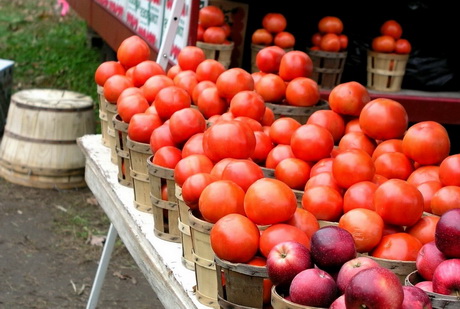
Many Russians prefer locally produced goods in such food categories as ice cream (68% choose Russian brands), carbonated soft drinks (48%), chocolate (46%), biscuits (61%), juices (55%), water (61%), yogurt (58%), fruits (67%), vegetables (75%), meat (81%), seafood (40%), breakfast cereals (44%), milk (80%), baby food (41%), instant noodles and rice (38%), canned vegetables and tomatoes (57%).
57% of Russians prefer to buy coffee and tea of international brands, 19% — local, 24% — do not look at the origin of the manufacturer. Almost half of Russian citizens (49%) purchase pet food of international manufacturers, 20% — national, 31% — do not care about the origin.
As for alcohol, 41% of Russians choose global brands, 27% — local, 31% do not consider this factor significant. 34% of Russians but potato chips and crackers without looking at the place of manufacture, at the same time, the votes for national and global brands are pretty much the same — 33%. Baby food — 40% for international brands and the same number — for local ones.
In non-food categories, such as blades and razors (62%), toothpaste (55%), shampoo and conditioner (56%), lotions (42%), cosmetics (64%), deodorant (59%), diapers (58%), washing agent for (54%), universal detergent (46%), Russian consumers choose global brands.
More than half (51%) of Russian consumers prefer cigarettes of global manufacturers, 25% support local manufacturers, 24% do not find it relevant. When buying jewelry, the majority of Russians (39%) do not pay attention to the origin of brands, 32% are more likely to purchase products of local brands, 29% — international. Choosing an air freshener and soap for hands and body, Russian consumers usually do not look at the place of production (50% and 39%, respectively).
The most significant advantage in the preferences of Russians regarding the origin of companies belongs to global brands in such categories as cars (78%), clothing and footwear (55%), cell phones (80%), computers (83%), televisions (81%), video equipment (79%).
“The fact that Russian consumers favor national food producers are justified by the desire to have a better price and eat a fresh and natural product, grown or made locally rather than brought from afar,” told Marina Lapenkova, partner for global customers with Nielsen Russia. “In turn, the global production of non-food categories is presented by a number of very strong brands, popular both in Russia and throughout the world. Russian manufacturers cannot compete with them in this area, however, correct price offers and a special attention to the quality of products open up a number of opportunities,” she added.
Regarding factors, influencing the decision to purchase national products rather than one of the global production, 56% of Russian consumers specified the most important criterion — advantageous price offer, 43% — positive previous experience, 32% — safer ingredients and manufacturing process. When choosing an international brand, the majority (53%) of respondents in Russia called the single most important factor — the existing positive experience of using the product.

Comments (0)
Twitter
Facebook
Pinterest
E-mail